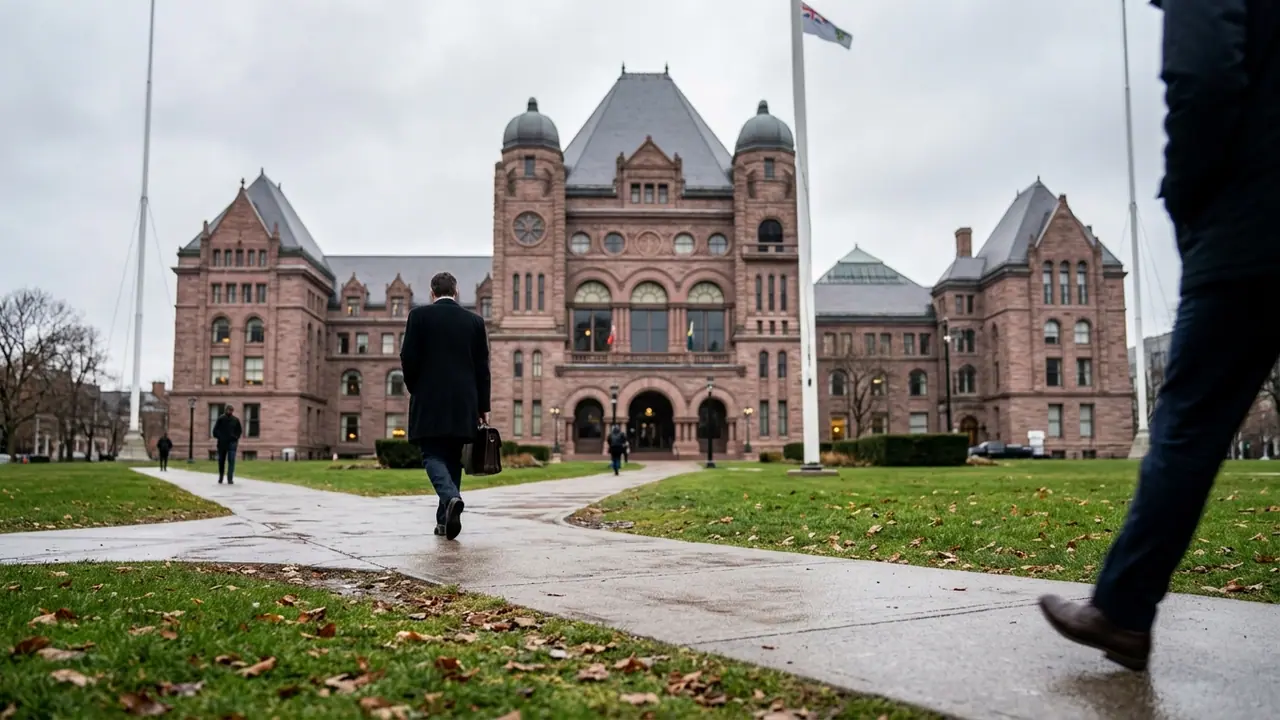

Changes to FOI laws in Ontario could significantly impact public access to important government records, affecting transparency and accountability.
Queen’s Park, at the heart of Toronto, is buzzing as Ontario’s legislature resumes after a 14-week hiatus. Amidst this backdrop, Premier Doug Ford’s government has proposed a controversial bill to exempt the records of cabinet ministers and their staff from freedom-of-information (FOI) laws. This includes potentially sensitive communications, such as cellphone records, igniting concerns over government transparency and accountability. As debates unfold, Ontario residents, especially those in urban centers like Toronto, Mississauga, and Brampton, may wonder how these changes affect their rights to access public information.
Key Takeaways
-
Proposed law exempts cabinet ministers' records from FOI laws.
-
Concerns about reduced government transparency and accountability.
-
Impact could limit public access to important governmental decisions.
What This Means for Ontario Residents
For Ontario residents, the proposed changes to FOI laws could mean less transparency in government dealings. This is particularly concerning as these records often provide insight into the decision-making processes of key public figures and can play a critical role during controversies or legal challenges. The restriction of access to such information could limit public oversight and diminish accountability. If you’re concerned about how this impacts your rights to government transparency, understanding these changes is crucial. For residents who may be pursuing legal action or seeking information, it’s important to stay informed about how such legislative changes could affect your access to necessary records. Our UL Lawyers Legal Team can help you navigate these legal intricacies.
Action Checklist
What You Should Do
Stay informed about the proposed FOI law changes
Awareness is key to understanding your rights.
Consult with legal experts about potential impacts
Legal professionals can provide clarity on the changes.
Review current access rights under existing FOI laws
Know what information you can currently access.
Prepare to challenge any denied requests for information
Understand the legal process for maintaining access.
Engage with community and advocacy groups
Collective action can influence public policy and transparency.
Your Rights and Options
Despite these proposed changes, you still have rights under existing FOI laws to access certain governmental records. These rights are crucial for maintaining transparency and holding public officials accountable. If you feel that your right to information is being compromised, it's important to seek legal advice to understand how these changes impact you and what actions you can take. For personalized advice, consider reaching out for a free consultation with our legal professionals.
Common Questions Answered
How UL Lawyers Can Help
At UL Lawyers, we understand that changes in legislation can be confusing and concerning, especially when they impact your access to information. Our team is committed to staying up-to-date with legal developments and can provide guidance on how these changes might affect you. Whether you’re concerned about accessing public records or have questions about your legal rights, we’re here to help. Contact us today for a free consultation to discuss your situation and explore your options.
Worried about how these FOI changes might affect you? Reach out to our team for a consultation.
About this article:
Summary prepared with AI assistance from the linked source's reporting. Edited by UL Lawyers for Ontario context.
Accompanying images are AI-generated illustrations, not photographs of actual events or persons.
Important Legal Disclaimer
This article provides general information about proposed legislative changes in Ontario and is not intended as legal advice. For advice specific to your situation, please consult a legal professional.
Source: CityNews Toronto
Named in this article? Request content removal