Image of Ottawa's Parliament Buildings where the legislative changes are being discussed
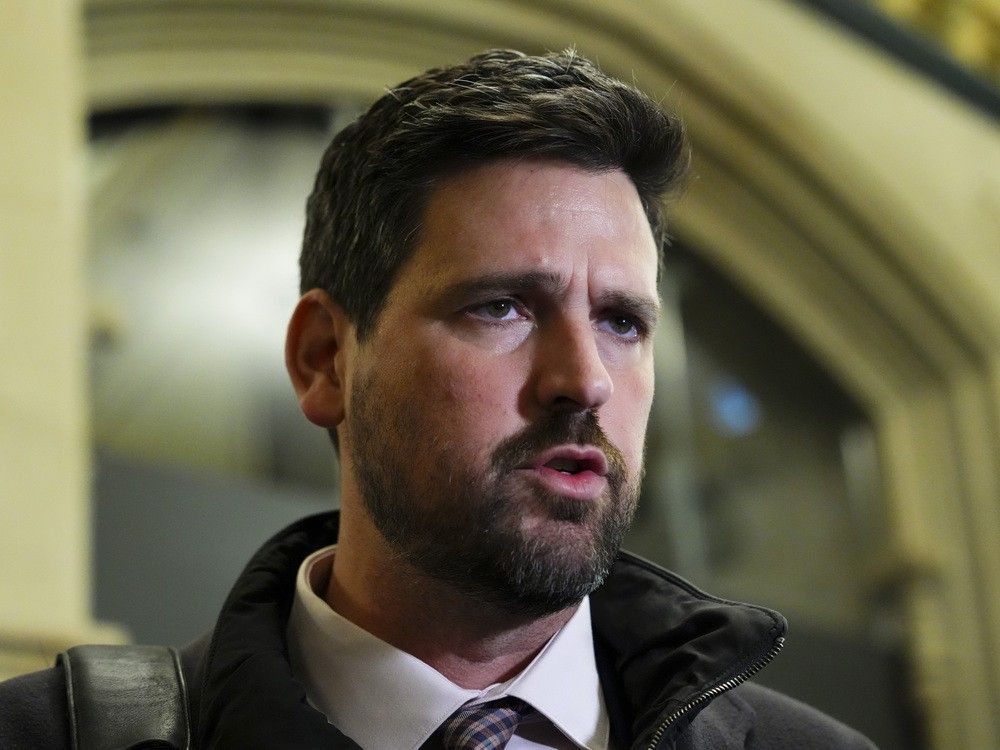
In Ottawa, the federal justice minister has promised to engage personally with religious groups concerned about the recent amendment to Canada's Criminal Code. This amendment, passed by the parliamentary justice committee, aims to remove religious defences from sections of the code addressing hate speech. The decision, influenced by the Bloc Québécois and supported by the Liberals, has not yet been enacted into law. Religious organizations, particularly from Christian and Muslim communities, are worried about the potential chilling effect on religious expression. UL Lawyers Legal Team is closely monitoring these developments for their impact on freedom of religious expression.
"Understanding the balance between protecting religious freedom and addressing hate speech is crucial in these legislative changes."
Legal Perspective: This matters because it addresses the core tension between freedom of expression and the need to prevent harm caused by hate speech.
Key Takeaways
Religious defences in hate speech sections of the Criminal Code may be removed.
Concerns raised by Christian and Muslim communities about religious expression.
Charter protections for freedom of religion remain, but practical impacts are uncertain.
What This Means for Ontario Residents
For Ontario residents, the amendment could change how religious speech is perceived under the law. While the justice minister assures that existing Charter protections for religious freedom will remain intact, religious groups fear that the amendment could restrict their ability to teach and promote religious texts. Legal experts advise that understanding these changes is crucial, particularly for those involved in religious teaching or leadership roles. It's important to keep informed about how these legislative changes might affect rights and freedoms in practice.
What You Should Do
Review how the amendment affects your religious activities Urgent
Understand potential legal implications for teaching and promoting religious texts
Consult with legal experts on religious freedom
Gain clarity on how legal changes impact your rights under the Charter
Monitor the legislative process
Stay updated on the status and details of the amendment as it moves through Parliament
Engage with community organizations
Collaborate with other religious groups to address and voice concerns
Your Rights and Options
Ontario residents have the right to express their religious beliefs, but it's important to stay informed about legal changes that might affect this. While the amendment is still under review, religious organizations and individuals should consider consulting with legal experts to understand potential impacts. If you're concerned about how these changes might affect your rights, consider reaching out for a free consultation with a legal professional who can provide guidance tailored to your specific situation.
Common Questions Answered
How UL Lawyers Can Help
At UL Lawyers, we understand that legislative changes like this can cause uncertainty and concern about your rights. Our team is committed to staying informed about developments in Canadian law to provide you with clear and practical advice. Whether you're worried about how these changes might affect your religious activities or want to ensure your rights are protected, we're here to help. Contact us for a free consultation to discuss your concerns and explore your legal options.
Worried about how these changes might affect your religious rights? Contact us for a free consultation to explore your legal options.
Important Legal Disclaimer
This article provides general information and should not be considered legal advice. For guidance specific to your situation, please consult with a legal professional.
Source: National Post - Canada