
Recognizing organ donors not only honors their contributions but also encourages others to consider the profound impact their decision can have.
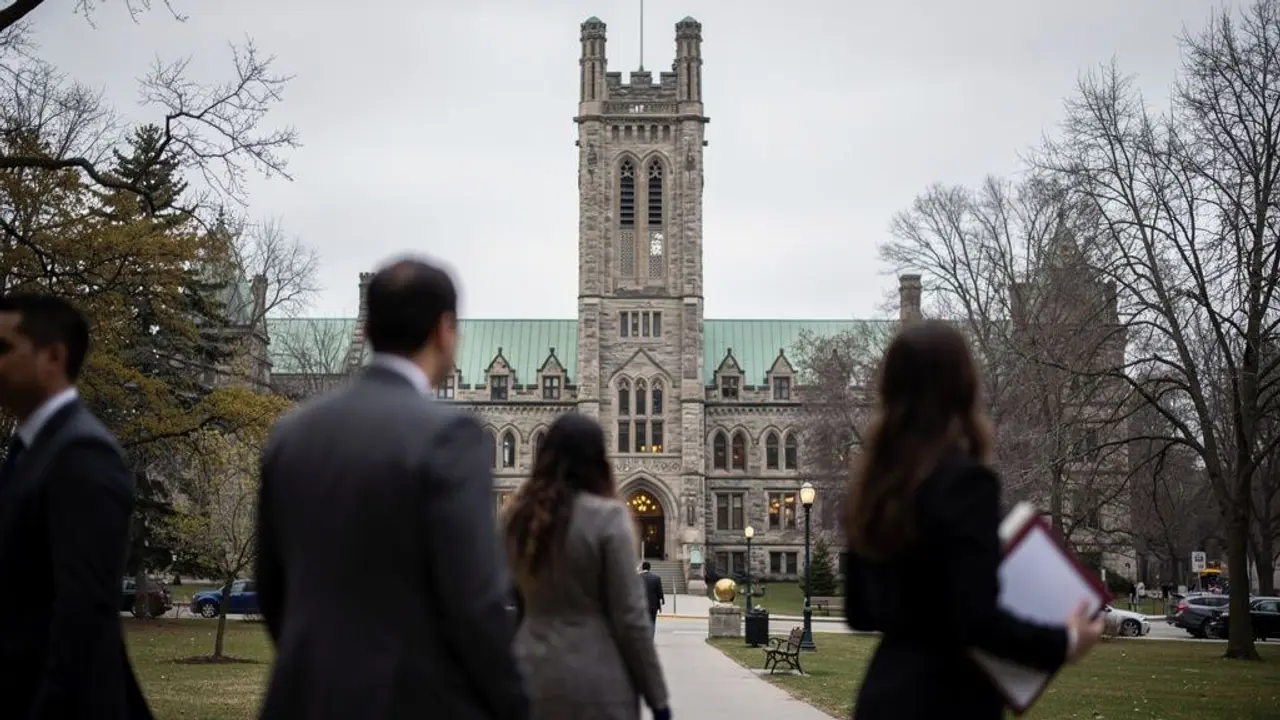
At the Ontario legislature at Queen’s Park, the 'Robbie’s Legacy Act' has successfully passed its second reading. This proposed legislation is inspired by the heartwarming story of Robbie Sherren from Kingston, who was known for his generosity and kindness. After passing away due to complications from a brain injury, Robbie’s organs, including his heart, were donated through innovative 'heart-in-a-box' technology, saving lives and leaving a lasting impact. The act seeks to honor and recognize the contributions of organ and tissue donors like Robbie, who give the gift of life to others.
Key Takeaways
-
Robbie’s Legacy Act focuses on recognizing organ donors
-
Passed second reading at Ontario legislature
-
Inspired by Robbie Sherren's story from Kingston
What This Means for Ontario Residents
For Ontario residents, especially those considering becoming organ donors, this bill signifies a growing recognition of the vital role they play in saving lives. By highlighting the importance of organ donation, the act could encourage more people to register as donors, potentially leading to more lives saved in the future. Understanding your rights and the impact of organ donation is crucial, especially if you are planning your wills and estates. This legislation may also inspire conversations around healthcare choices and family discussions on donation wishes.
Action Checklist
What You Should Do
Register as an organ donor
Ensure your decision is recorded with Service Ontario.
Discuss donation wishes with family
Ensure your family is aware of and supports your wishes.
Include organ donation preferences in your will
Documenting your wishes legally ensures they are followed.
Keep your health card information updated
Accurate information ensures your donation wishes are honored.
Consult with an estate lawyer
For comprehensive estate planning, including donation preferences.
Your Rights and Options
As an Ontario resident, you have the right to make informed decisions regarding organ donation. This includes registering your intent to donate organs upon death and discussing these wishes with family members. With legislation like Robbie’s Legacy Act, there is an opportunity to ensure your generous contributions are recognized. If you have questions about including organ donation wishes in your estate planning, our wills and estate lawyers can provide guidance to ensure your intentions are clearly documented.
Common Questions Answered
How UL Lawyers Can Help
We understand that planning for the future involves careful consideration of personal values and wishes. Our legal team can assist you in incorporating organ donation preferences into your estate plan, ensuring your wishes are honored and recognized. If you're interested in learning more about how this legislation might affect your planning, we're here to provide a supportive consultation. Let us help you make sure your legacy reflects your generosity and kindness. Our legal team will make space to hear what happened, answer your questions in plain language, and offer a free consultation when you feel ready.
Interested in how Robbie’s Legacy Act could impact your estate planning? Reach out for a consultation to discuss your options.
About this article:
Summary prepared with AI assistance from the linked source's reporting. Edited by UL Lawyers for Ontario context.
Accompanying images are AI-generated illustrations, not photographs of actual events or persons.
Important Legal Disclaimer
This article is for informational purposes only and does not constitute legal advice. For personalized legal guidance, please consult with a qualified lawyer.
Source: Global News : Canada
Named in this article? Request content removal